
When your client work shows up in TIME: Behind the portraits for TIME100 Health 2026
Not every shoot feels routine, but when you're photographing attorneys, it's rarely obvious which portraits will end up making waves.
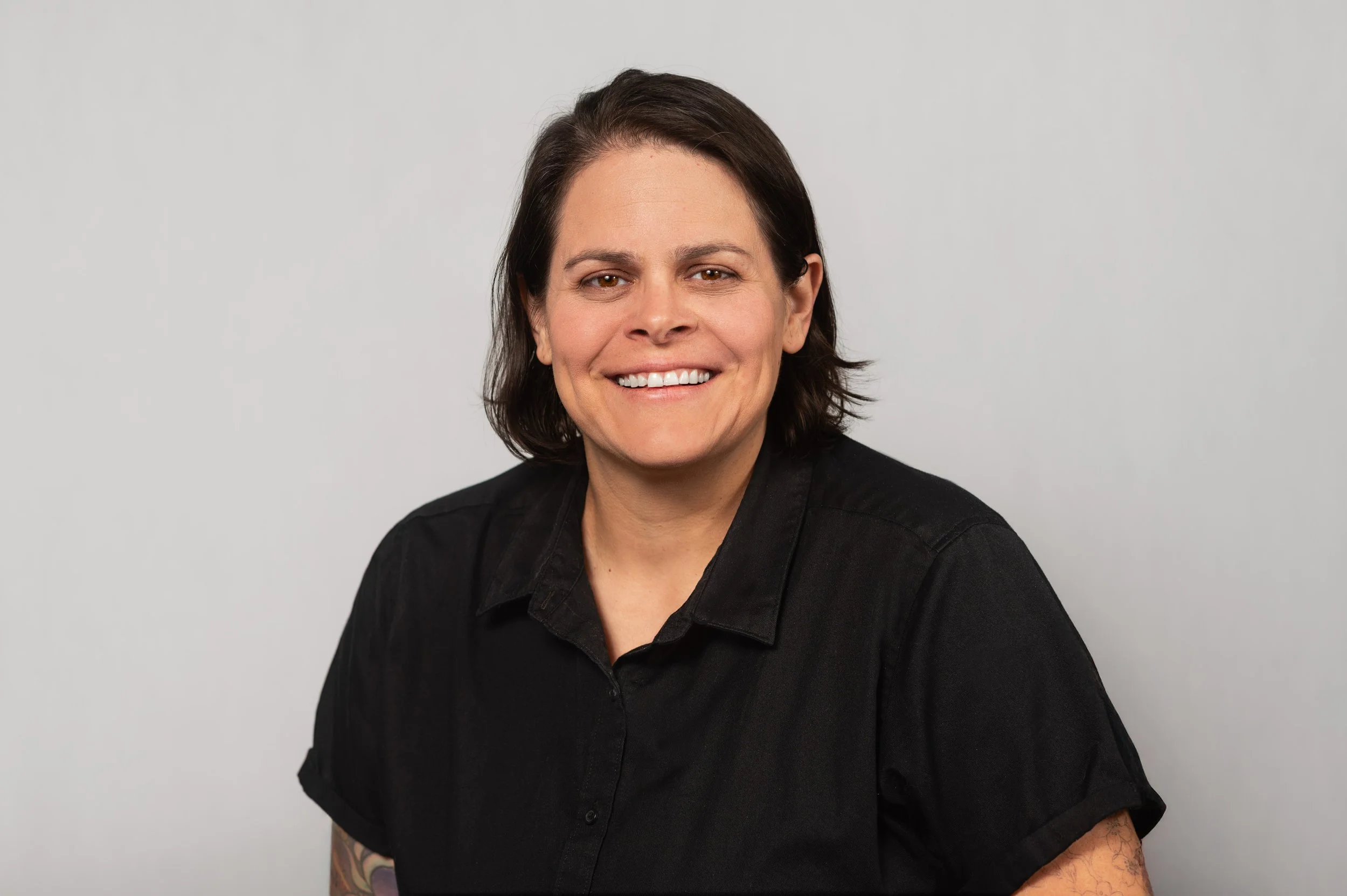
Last year I was hired to create executive portraits for Matthew P. Bergman and Laura Marquez-Garrett, founders of the Social Media Victims Law Center. They needed professional headshots for their website and various business materials—standard corporate photography work. The shoot itself was straightforward: clean backgrounds, professional lighting, the kind of portraits that project both approachability and authority.
Fast forward to this week, and I'm scrolling through my feed when I see it: those same portraits credited on TIME's website as part of their TIME100 Health 2026 list.
Why This Matters (And Why It Doesn't)
Here's the thing about editorial placements like this—they're validating, but they're not the goal. The goal is always to create portraits that serve the client's needs, whether those images end up in TIME or on a LinkedIn profile.
What Matthew and Laura needed were portraits that positioned them as serious legal advocates taking on some of the biggest tech companies in the world. The images had to work across multiple contexts: website headers, media kits, court documents, investor presentations. They needed gravitas without being intimidating, professionalism without being sterile.
The fact that TIME chose to use these portraits tells me we nailed that brief. But the real validation came months earlier when the SMVLC team told me the portraits were exactly what they needed.

The Intersection of Commercial and Editorial
One of the advantages of my background in corporate marketing is understanding how imagery needs to work strategically. These weren't "editorial" portraits in the traditional sense—there was no TIME assignment, no editorial guidelines to follow. They were corporate portraits created for business use that happened to be strong enough for editorial publication.
That's always been my approach: create work that's good enough to transcend its original context. Architecture photography that could run in Dwell. Corporate headshots that could run in Bloomberg. Event coverage that could run in industry publications.
You don't shoot for that outcome specifically, but you shoot with the craft and intention that makes it possible.
What Makes a Portrait "Publication-Ready"
Looking back at these portraits, a few things made them work for TIME: Technical excellence - Clean lighting, sharp focus, professional retouching. No shortcuts. Strategic composition - Enough negative space to accommodate text overlays and various crop ratios. Publications need flexibility. Authentic presence - The subjects look like themselves, not like they're trying to look like someone else. That authenticity translates across contexts. Context-appropriate styling - Professional but not corporate-stuffy. These are advocates, not investment bankers.

The Work Matters More Than The Credit
I'm proud to see "Courtesy of Gavin Haag Photography" on TIME's website. It's a milestone worth acknowledging. But the real satisfaction comes from knowing that Matthew and Laura had the portraits they needed when TIME came calling.
That's the goal: be so prepared that when opportunity shows up, you're already ready.
If you're looking for corporate portraits that position you for whatever comes next—whether that's a board presentation, an investor pitch, or yes, a feature in TIME—let's talk.
View the TIME100 Health 2026 feature: https://time.com/collections/time100-health-2026/7362599/laura-marquez-garrett-and-matthew-p-bergman/

Group photo of the Social Media Victims Law Center
